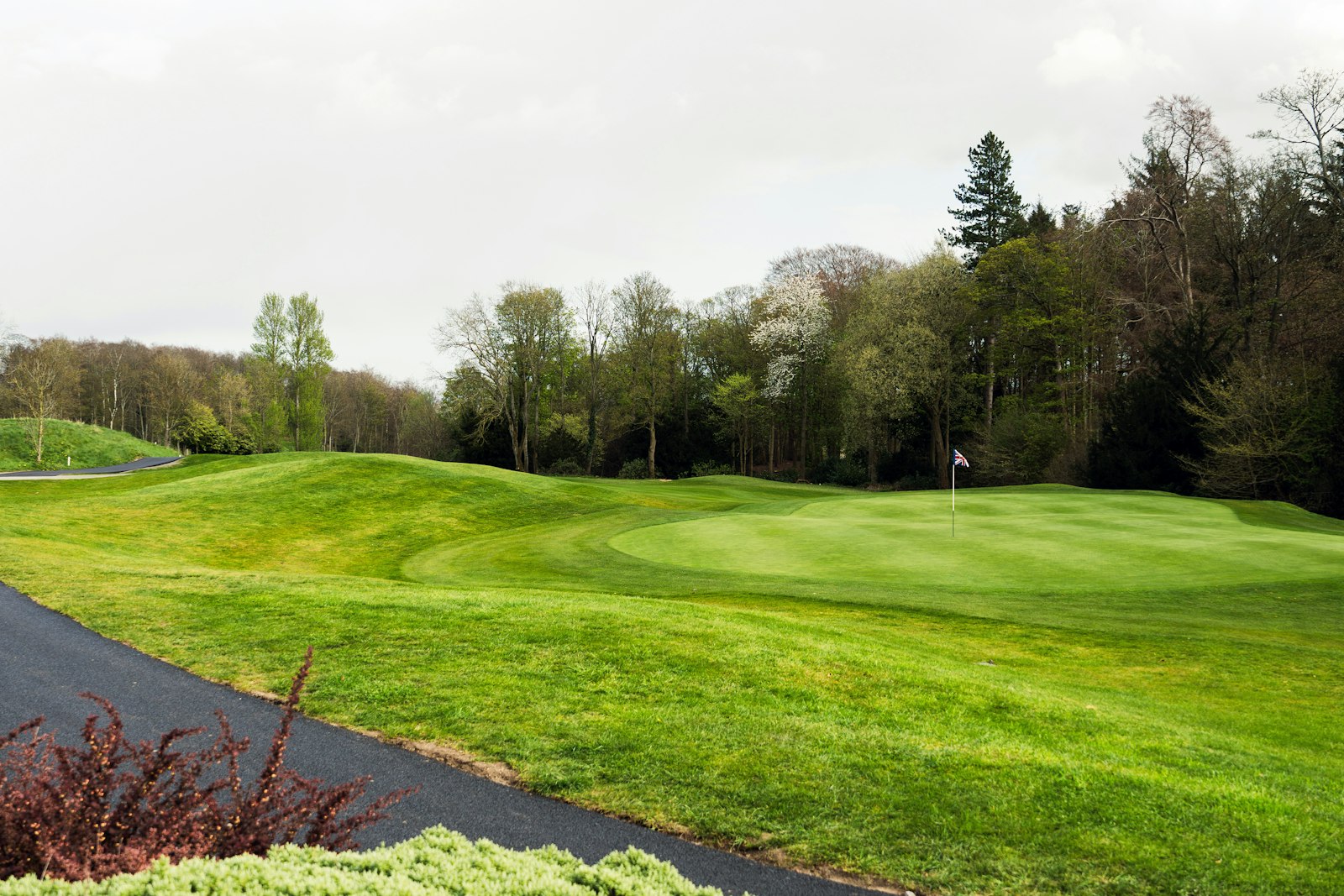
Championship golf is decided on the greens. When a tournament gets to Sunday afternoon, the difference between contending and falling back is almost always made with the putter, and the surface those putts roll across has to perform identically for every player in the field. That kind of consistency is not something a course finds in the spring. It is the result of decisions made years earlier at the soil level, and greens fumigation is one of the most important of those decisions.
What Championship Greens Actually Demand
The standards at venues that host majors and high profile tournaments are different from the standards at a typical daily fee course. Tournament greens have to deliver:
- Uniform speed across all eighteen surfaces, often targeted in the twelve to fifteen range on the Stimpmeter
- Predictable firmness so a well struck approach reacts the same way on every green
- Density and recovery that hold up under five plus days of tournament foot and ball traffic
- Color, texture, and roll quality that survive television scrutiny under any lighting condition
- Resistance to disease pressure during the most stressful weeks of the year
None of that is achievable on a soil profile that is fighting nematodes, soilborne disease, or weed pressure underneath. Championship greens depend on a clean foundation, and clean foundations come from pre plant treatment of the rootzone before any grass goes in. For more on the product most often used in that step, see our post on Basamid G greens fumigation.
The Augusta National Standard
Augusta National sets the agronomic benchmark that the rest of the industry compares itself to. The greens are Penn A1 bentgrass, a cool season variety that under normal Georgia conditions should not survive the summer. Augusta makes it work through a combination of infrastructure and discipline that few other facilities can match.
- Each green is built over a SubAir system that pulls air and moisture through the rootzone, allowing the staff to manage soil temperature and water content with precision
- The course closes through the hottest part of the year, removing traffic and giving the staff a maintenance window the rest of the industry does not have
- Tees, fairways, and second cut are scalped and overseeded with perennial ryegrass over a dormant bermudagrass base, while the bentgrass greens are managed independently
- Mowing patterns, rolling schedules, and moisture management are dialed in to deliver the speed and firmness expected at the Masters
Augusta does not publicly detail every step of its agronomic program, including its soil treatment history, but the broader principle is well established in the industry: if you want surfaces to perform at that level over the long run, you start with a soil profile that is not working against you. For courses building or rebuilding greens to a championship standard, pre plant fumigation is one of the standard tools used to get there.
Why Tournament Venues Take Soil Treatment Seriously
At a course preparing to host a major, the cost of inconsistent greens is not measured in dollars. It is measured in television coverage, player feedback, and reputation that lasts for decades. That changes the math on every agronomic decision, including fumigation.
Tournament venues tend to fumigate during full rebuilds and major renovations because:
- The window to access the soil profile only opens once every few decades, and skipping treatment means living with whatever is in the rootzone until the next rebuild
- Nematode populations and soilborne disease pressure are particularly damaging to the kinds of fine bentgrass and ultradwarf bermudagrass varieties used on championship greens
- Recovery time after tournament traffic is shorter on a clean profile, which protects the schedule between events
- Documented soil treatment is part of the agronomic record reviewed when a venue is being considered for future events
The Standards Superintendents Target
Most superintendents working at the championship level talk about three things when they describe what they are trying to deliver: consistency, predictability, and recovery. Fumigation supports all three. A treated soil profile reduces the variability that makes one green play differently from another, lowers the disease pressure that causes mid season setbacks, and gives the turf the rooting environment it needs to recover quickly between rounds.
Even at facilities that will never host a major, the same principles apply at a smaller scale. Any course that wants its greens to play at a higher standard than the one next door is making decisions about the soil profile, whether it does so deliberately or by default. For a golfer focused look at how this all shows up in the surfaces you putt on, see our post on what golfers should know about greens fumigation.
Beyond Augusta
The U.S. Open rotation, PGA Championship venues, and host courses for Tour stops all face similar agronomic pressures. Many of these venues complete major greens projects in the years between hosting events specifically so they can present surfaces at peak condition during competition. Pre plant fumigation is part of how those projects deliver the soil profile the playing surface needs.
The broader takeaway for anyone planning a championship oriented project is straightforward. Surface conditions that the world watches on Sunday afternoon are downstream of decisions made in the rootzone years earlier.
Summary
Championship level greens are the visible result of an invisible foundation. The speed, firmness, and consistency that decide tournaments depend on a soil profile that is not fighting disease, nematodes, or weed competition. Venues like Augusta National combine extraordinary infrastructure with disciplined agronomic practice to deliver those conditions year after year. For courses targeting a tournament standard, pre plant fumigation during rebuilds and renovations is one of the most reliable ways to set up the rootzone for the surface above it.
Build to a Higher Standard
If you are planning a renovation or new construction project and want to talk through how greens fumigation fits into a championship oriented agronomic plan, contact our team. You can also review the cost and ROI of greens fumigation or read more about the team on the About page.
Contact Smoking Turf