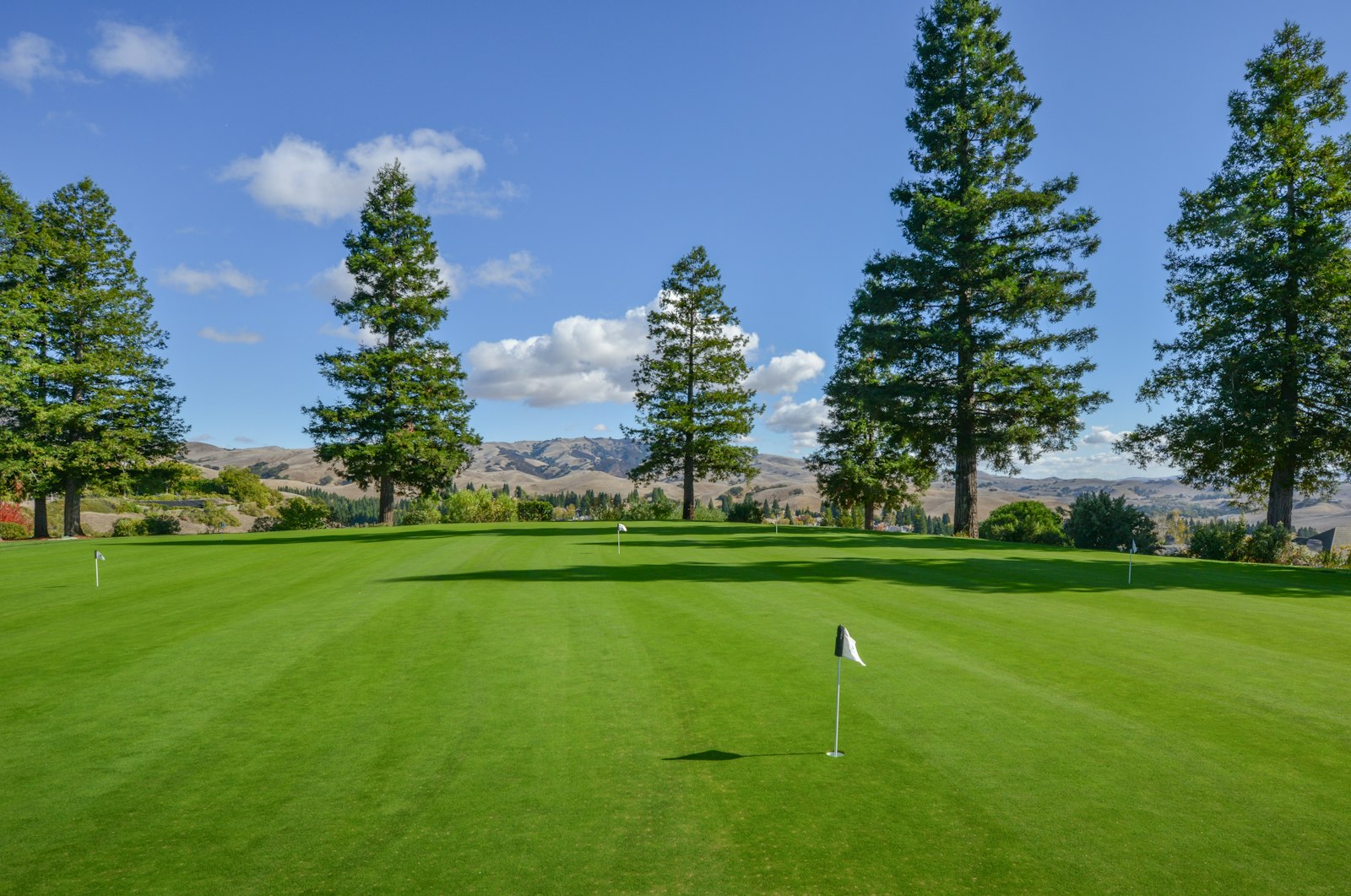
Greens fumigation is one of the larger single line items a superintendent or owner will approve on a renovation or new construction project. When the quote shows up next to earthworks, irrigation, and rootzone mix, it is fair to ask whether the spend is justified. The honest answer is that the cost of fumigation is almost always smaller than the cost of not doing it, but that only becomes obvious when you look at the full life of the green rather than the day of the invoice. For background on the product itself, see our post on why fumigating greens with Basamid G is essential for renovations and new construction.
What You Are Actually Paying For
A fumigation quote is not just for a bag of product. The price reflects several things working together:
- The fumigant itself, which is a regulated material with specific handling requirements
- Trained applicators and certified supervisors on site
- Specialized equipment for incorporation, sealing, and, when needed, tarping
- Scheduling and soil condition management so the treatment activates correctly
- Regulatory compliance, including notifications, buffer zones, and documentation
- A mandatory waiting period before planting, which has to be built into the project timeline
Every one of these pieces exists because fumigation only works when it is done right. Cutting corners on any of them lowers the price and also lowers the result.
What the Treatment Prevents
The value side of the equation is everything you do not have to spend later. Greens that go in over a soil profile loaded with pathogens, nematodes, and weed seed tend to accumulate recurring costs that show up every year for the life of the green. Typical items that fumigation helps reduce or avoid include:
- Repeated curative fungicide applications for soilborne diseases such as Pythium and fairy ring
- Nematicide programs that have to be rotated and repeated because the pressure never fully goes away
- Overseeding, resodding, and plug repair on weak areas that never fully established
- Hand watering, aerification cycles, and syringing time driven by compromised root systems
- Selective herbicide programs to fight Poa annua and other weeds coming out of the seed bank
- Premature full scale renovation because the original grow in never reached target density
Any single one of these is manageable. The issue is that on a bad soil profile they stack, and they keep stacking every year.
A Simple Way to Frame the Numbers
Most greens renovations are planned to last twenty years or more. Spreading the cost of a one time fumigation across that horizon usually puts it at a small fraction of annual maintenance spend on those same greens. When you compare that number to the annual cost of fighting disease pressure, nematodes, and weed competition on an untreated profile, the math usually favors the one time investment.
A rough way to think about it:
- Fumigation cost is fixed and happens once during the project
- Disease, nematode, and weed costs on an untreated profile are recurring and tend to increase over time as populations rebuild
- Revenue loss from closed or underperforming greens compounds on top of maintenance costs
Even a conservative estimate of avoided product and labor costs over the first five years of a green tends to cover the fumigation line item on its own. Everything after that is upside.
Revenue and Reputation
The financial case for fumigation is not only about the maintenance budget. Weak or inconsistent greens affect rounds, memberships, tournaments, and guest play. A faster, cleaner grow in puts the course back in play sooner, which protects revenue during and after the project. Consistent putting surfaces year over year protect the reputation that drives future bookings. These numbers rarely show up in a soil treatment quote, but they are real and they are significant. Tournament venues take this seriously, as covered in our post on the role of fumigation in maintaining championship level greens.
When Fumigation Is Most Worth It
Fumigation is most valuable when any of the following are true:
- The existing greens have a documented history of nematode pressure
- Disease recurrence has been driving up chemical spend year after year
- The new rootzone mix or sod source cannot be guaranteed clean
- The course cannot afford an extended grow in or repeated repairs after opening
- The project is a full rebuild where access to the soil profile will not happen again for decades
In those situations, skipping fumigation is usually the more expensive decision, even if it looks cheaper on the initial bid.
Planning the Spend
The best way to control the cost is to plan the treatment into the project early, not to squeeze it in at the end. Doing so protects the schedule, keeps the fumigation window aligned with soil temperature and moisture requirements, and avoids the overtime and rework that come with last minute changes. It also lets the contractor price the work accurately instead of padding the quote to cover unknowns.
Summary
Greens fumigation is a real cost, and it should be treated as one. It is also one of the few places in a greens project where a single upfront investment measurably reduces spend for the next two decades. When you compare the fumigation line item to the cost of chronic disease, nematode damage, weed pressure, lost rounds, and premature renovation, the return is consistent. For most golf courses, the question is not whether fumigation is worth the investment. It is whether the project can afford to skip it.
Get a Quote for Your Project
If you are budgeting a renovation or new construction project and want accurate numbers on greens fumigation, contact our team. We will walk through the scope, timing, and what to expect so you can plan the spend with confidence. You can also learn more about our work and team on the About page.
Contact Smoking Turf