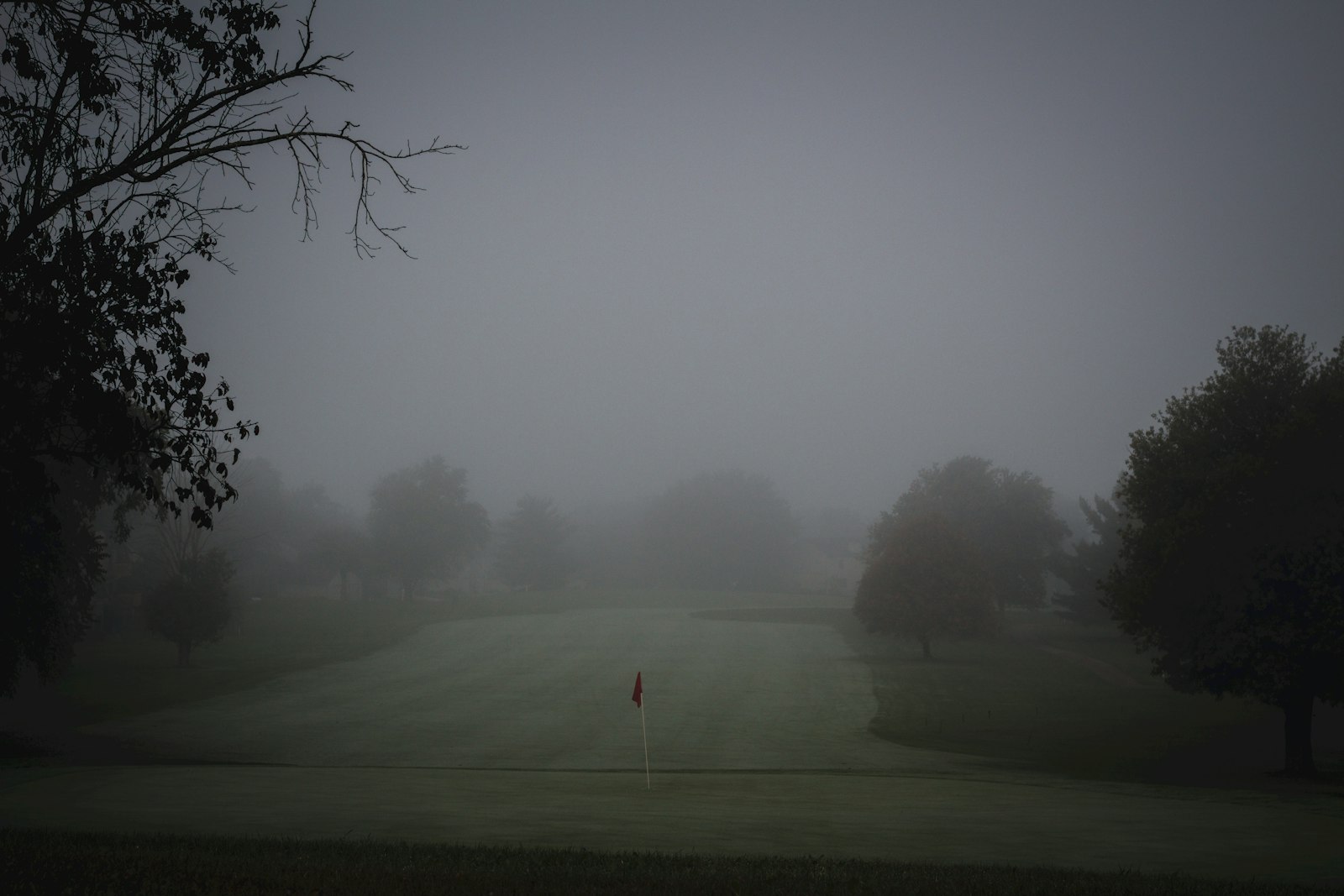
Greens fumigation is one of the most weather sensitive operations on a renovation or new construction project. The same product applied at the same rate can produce very different results depending on the conditions in the days before, during, and after treatment. Understanding how weather drives those outcomes is the difference between a clean grow in and a project that fights soil pressure for years. For background on the product most often used on greens projects, see our post on why fumigating with Basamid G is essential for renovations and new construction.
Soil Temperature
Soil temperature is the single most important variable for most fumigants used on greens. The active ingredient has to volatilize and move through the soil profile, and that movement is temperature dependent.
- Too cold and the fumigant moves too slowly to reach all the target zones, leaving pockets of untreated soil
- Too warm and the fumigant can dissipate too quickly through the surface, reducing exposure time at depth
- The target window for products like Basamid G is generally a stable soil temperature in the moderate range, measured at typical treatment depth
Surface air temperature is not the same as soil temperature, especially in spring and fall. Crews should be working off probe readings at the actual treatment depth, not the daily forecast high.
Soil Moisture
Soil moisture controls how the fumigant activates, how it diffuses, and how well the soil seals. Most fumigants require moist but not saturated conditions to work properly.
- Dry soil does not activate granular products like Basamid G and lets gas escape through open pore space
- Saturated soil blocks gas movement and traps the fumigant in pockets, causing uneven treatment
- Consistent moisture through the upper profile gives the fumigant the conditions it needs to move and react across the full treatment depth
The pre treatment irrigation pass is one of the most important steps in the entire process. Done correctly, it sets up the soil to perform predictably. Done poorly, it undermines everything that follows.
Humidity and Air Temperature
Surface conditions affect how the fumigant behaves at the soil air interface. Low humidity and high surface temperatures speed up volatilization and increase the chance of off gassing before the seal is fully effective. Higher humidity and moderate air temperatures help keep the fumigant in the soil profile where it belongs.
Wind also matters. Strong wind during application increases drift risk, complicates buffer zone management, and accelerates surface drying. Most crews target calm to light wind windows for application.
Rainfall
Rain is a double edged factor. A controlled water application after treatment is part of the standard process and helps activate the fumigant and seal the surface. Uncontrolled rainfall is a different situation.
- Heavy rain shortly after application can saturate the profile, push the fumigant out of the target zone, and create runoff concerns
- A storm during the sealing window can break the seal and release fumigant into the air before treatment is complete
- Extended wet periods after treatment delay the aeration step and push back the planting window
The forecast for the seventy two hours after application is usually as important as the conditions on the day of treatment.
Timing the Treatment Around the Forecast
Because so many variables have to line up, planning a fumigation treatment is mostly about identifying the right window in the forecast and protecting it on the schedule. A practical approach looks like this:
- Track soil temperature trends in the weeks leading up to the planned application, not just air temperature
- Watch the seven to ten day forecast for stable conditions across the application and sealing window
- Avoid scheduling immediately before or after major weather events that could disrupt the seal
- Build a buffer into the project schedule so the treatment can shift by several days if the forecast changes
- Coordinate with the construction and grow in teams so a delay does not cascade through the rest of the project
The crews that get consistent results are the ones that treat the weather window as the primary constraint and adjust everything else around it. Sensor networks and forecast tools are starting to make that easier, as covered in our post on innovations in fumigation and pest control.
Regional Patterns to Watch
In the Southeast, the most reliable fumigation windows tend to fall in the late spring and early fall when soil temperatures are stable and storm activity is lower. Mid summer applications are possible but require more careful management of surface temperature and moisture. Late fall and winter applications are constrained by cold soil and shorter daylight for soil warming.
Specific timing varies by location, soil type, and project goals. The right answer for a coastal Carolina course is not the same as the right answer for a Piedmont course at higher elevation.
Summary
Weather is the variable that ties the entire fumigation process together. Soil temperature controls how the product moves, soil moisture controls how it activates and seals, humidity and wind affect surface behavior, and rainfall can either help or undermine the result depending on timing. Planning fumigation around the forecast rather than the calendar is what separates consistent results from inconsistent ones.
Plan Your Fumigation Window
If you are scheduling a renovation or new construction project and want help identifying the right fumigation window for your site, contact our team for a planning conversation. You can also read about our background on the About page or review the cost and ROI of greens fumigation.
Contact Smoking Turf